
Indigo
Indigo
Indigo — Plant Description
Plant Summary
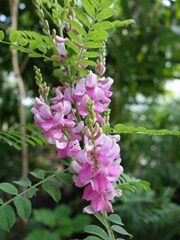
Indigo (Indigofera tinctoria and related Indigofera species) is a warm-season flowering shrub or subshrub grown for its airy foliage, soft pink to purple flower spikes, and historical use as a natural dye plant. Gardeners researching how to grow Indigo should provide full sun, well-drained soil, and moderate watering. Under proper Indigo care and Indigo growing conditions, plants develop a loose, shrubby habit and bloom during warm weather.
Key Plant Facts
Height: 3–6 feet
Width: 3–5 feet
Sun: Full sun
Water: Moderate
Annual or Perennial: Perennial shrub in warm climates (often grown as a warm-season annual in cooler regions)
Bloom Season or Seasonal Interest
Indigo produces slender spikes of small pea-like flowers from late spring through summer. Flowering may continue intermittently into early fall in warm climates. The plant also provides fine-textured foliage interest throughout the growing season.
Landscape Uses
Indigo is commonly used in pollinator gardens, cottage gardens, informal shrub borders, and naturalized plantings. It can also be grown in large containers. The plant contributes light structure and seasonal color while supporting beneficial insects.
Garden Design Value
Indigo adds a soft, airy texture to planting designs and blends well with ornamental grasses, salvias, and perennial wildflowers. Its upright yet relaxed growth habit works well as a mid-border plant or informal hedge element. The delicate flower spikes provide vertical interest without overwhelming surrounding plants.
Edible or Medicinal Uses
Historically cultivated as a source of natural blue dye. Some species have traditional medicinal uses in herbal systems, but plants are primarily grown for ornamental and dye purposes.
Native Range
Native to tropical and subtropical regions of Asia and Africa.
Full Plant Description
Indigo forms a branching shrub with pinnate leaves composed of small oval leaflets. Plants prefer full sun and thrive in well-drained soils, including sandy or loamy conditions. Moderate watering supports establishment, but mature plants tolerate short dry periods. Indigo care involves occasional pruning to maintain shape and encourage fresh growth. Proper Indigo growing conditions include warm temperatures, good drainage, and adequate spacing for airflow.
Gardeners Also Ask
Is Indigo a perennial or annual?
Indigo is a perennial shrub in warm climates but may be grown as an annual where winters are cold.
Does Indigo need full sun?
Yes. Full sun promotes strong growth and flowering.
How big does Indigo get?
Plants typically grow 3–6 feet tall and 3–5 feet wide depending on species and growing conditions.
Can Indigo grow in containers?
Yes. It can be grown in large containers with well-drained potting mix.
How often should Indigo be watered?
Water regularly during establishment, then allow soil to dry slightly between watering cycles.
Closing Line
Read our complete growing guide for Indigo. (Click Here)
Required Notice
NOTICE: Live plants are natural products and vary in Size, shape, and fullness depending on the season and stage of growth. Plants may be trimmed for shipping or to promote healthy development. Images shown represent the species or cultivar but may not reflect the exact plant shipped.
Customers are responsible for verifying that plants are permitted in their state. Orders intercepted or confiscated by agricultural authorities are not eligible for refund. By purchasing, you acknowledge our Live Plant Guarantee and Shipping Policy and Live Plant Shipping Policy.
Couldn't load pickup availability