Nopales (Opuntia spp. – Prickly Pear Cactus)
Nopales (Opuntia spp. – Prickly Pear Cactus)
Nopales (Opuntia spp.) — Prickly Pear Cactus — Plant Description
Plant Summary
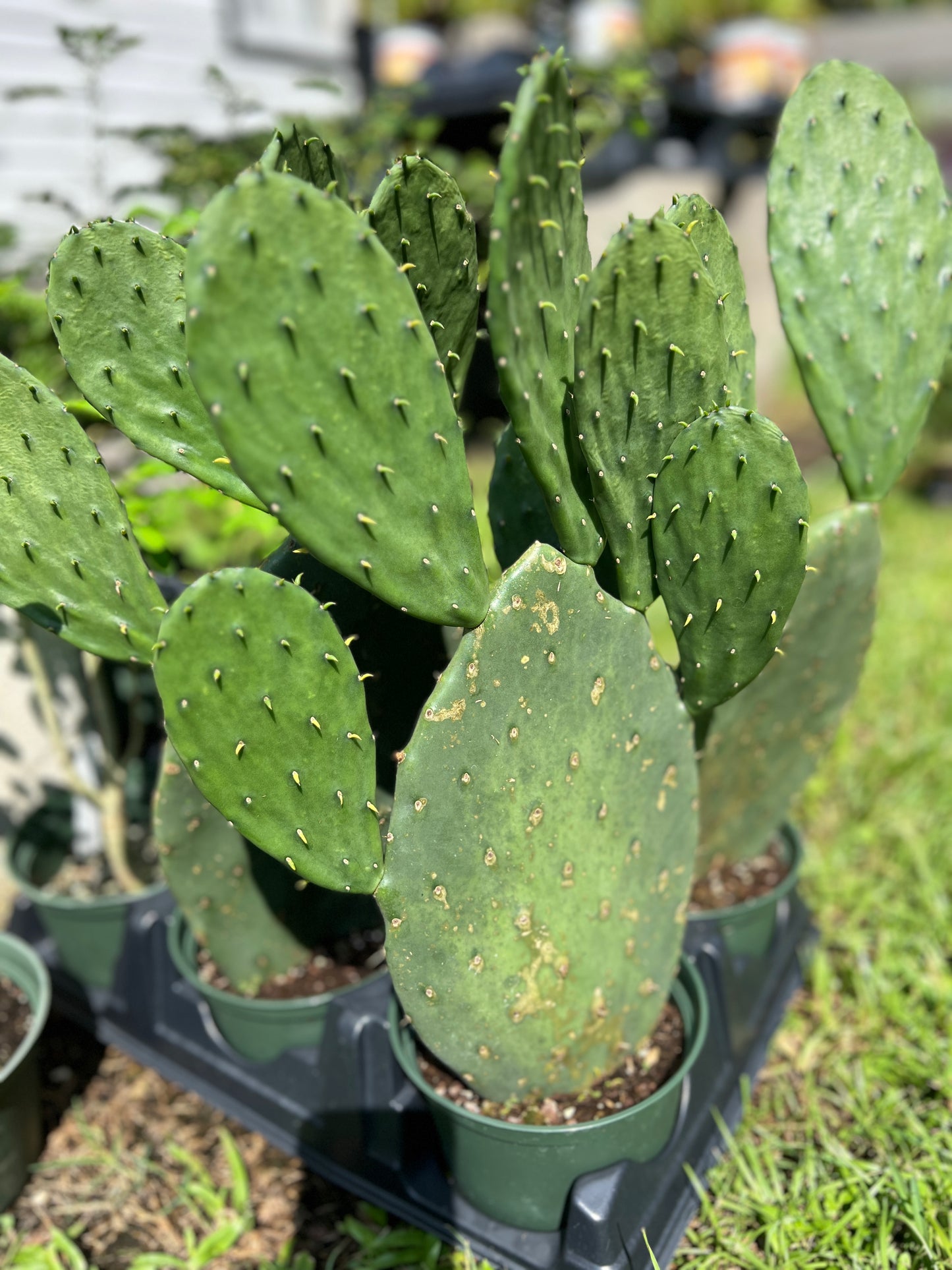
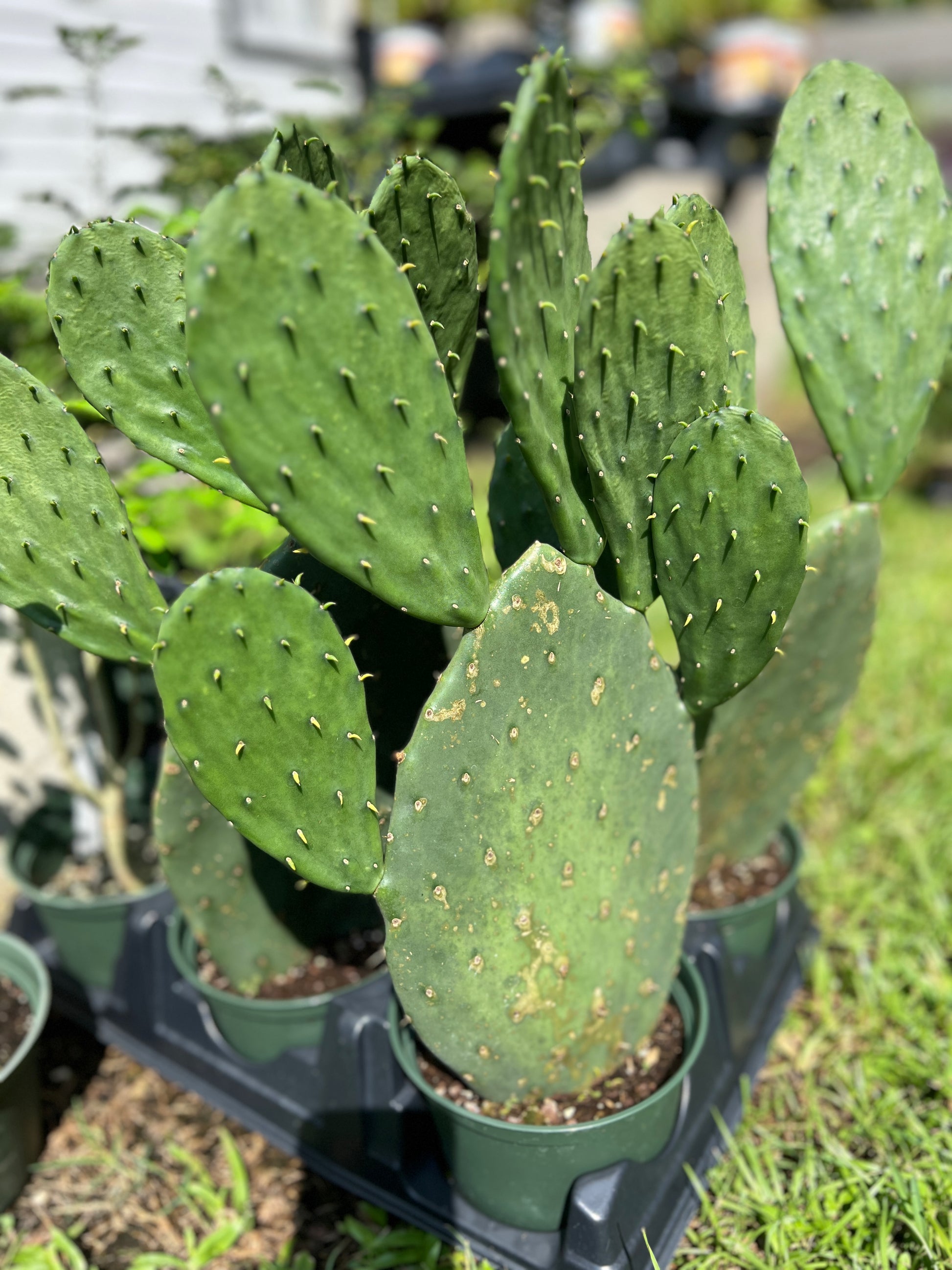
Nopales (Opuntia spp.), commonly known as Prickly Pear Cactus, are drought-tolerant succulents valued for their edible pads, colorful fruits, and striking architectural form. Gardeners researching how to grow Nopales should provide full sun, sharply drained soil, and minimal watering. Under proper Nopales care and Nopales growing conditions, plants develop fleshy green pads, vibrant flowers, and sweet edible fruits while thriving in hot, dry environments.
Key Plant Facts
Height: 3–15 feet (depending on species)
Width: 3–15 feet
Sun: Full sun
Water: Low
Annual or Perennial: Perennial succulent cactus
Bloom Season or Seasonal Interest
Produces showy yellow, orange, pink, or red flowers in spring and summer followed by colorful edible fruits known as tunas.
Landscape Uses
Excellent for xeriscapes, edible gardens, desert landscapes, pollinator gardens, wildlife gardens, and drought-tolerant plantings.
Garden Design Value
Nopales provide bold texture, sculptural form, and year-round interest. Their paddle-shaped pads create dramatic focal points while requiring very little maintenance.
Edible or Medicinal Uses
Young pads (nopales) are widely used in Mexican cuisine and can be grilled, sautéed, roasted, or added to salads. The fruits are edible and may be eaten fresh or used in jams, syrups, juices, and desserts.
Native Range
Native throughout the Americas, particularly Mexico, the southwestern United States, and parts of Central and South America.
Full Plant Description
Nopales are succulent cacti that form clusters of flattened paddle-shaped stems called cladodes. These fleshy pads store water, allowing plants to thrive in drought conditions. Depending on the species, plants may produce large colorful flowers followed by sweet fruits ranging from red and purple to yellow and orange. Nopales are highly valued for both ornamental and edible purposes and are among the most useful drought-tolerant plants for warm climates. Nopales care includes planting in sharply drained soil, avoiding excessive irrigation, and protecting young plants from prolonged wet conditions. Proper Nopales growing conditions support vigorous growth, healthy pad production, and abundant fruiting.
Gardeners Also Ask
Do Nopales need full sun?
Yes. Full sun is essential for healthy growth and flowering.
How large do Nopales grow?
Depending on the species, plants may grow from 3 to 15 feet tall and wide.
Are Nopales edible?
Yes. Both the young pads and fruits are edible.
Do Nopales require much water?
No. They are highly drought tolerant once established.
Can Nopales grow in containers?
Yes. Smaller varieties perform very well in containers with excellent drainage.
Read our complete growing guide for Nopales. (Click Here)
NOTICE
Live plants are natural products and vary in Size, shape, and fullness depending on the season and stage of growth. Plants may be trimmed for shipping or to promote healthy development. Images shown represent the species or cultivar but may not reflect the exact plant shipped.
Customers are responsible for verifying that plants are permitted in their state. Orders intercepted or confiscated by agricultural authorities are not eligible for refund. By purchasing, you acknowledge our Live Plant Guarantee and Shipping Policy and Live Plant Shipping Policy.
Couldn't load pickup availability